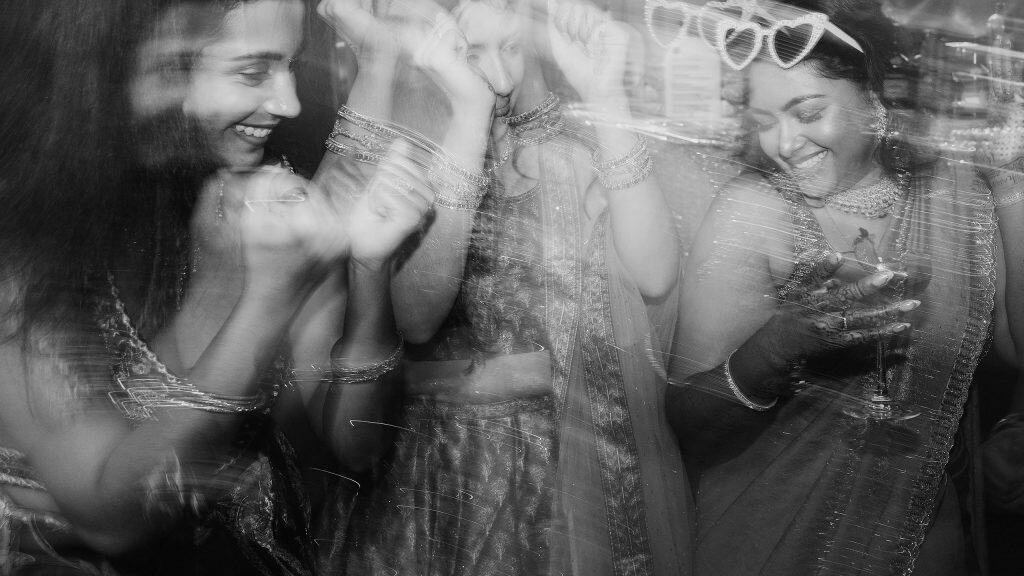
What is editorial wedding photography? - London Wedding Photographer | F5 Photography | Rahul Khona

What is editorial wedding photography

What is editorial wedding photography (and why is it so popular right now?)

Editorial wedding photography is a style influenced by fashion and magazine imagery, where moments are thoughtfully guided and composed to create polished, visually striking photographs. Rather than simply capturing events as they happen, editorial photography involves a level of direction and intention, shaping scenes so they look refined, elegant, and timeless. It’s not about faking a wedding day, but it is about elevating it. The photographer takes an active role in how things look – paying attention to light, composition, styling, and positioning – to create images that feel considered rather than purely spontaneous.
Right now, this style is everywhere. From Instagram feeds to luxury wedding blogs, editorial wedding photography has become one of the most recognisable and in-demand approaches. But that popularity hasn’t come from nowhere.
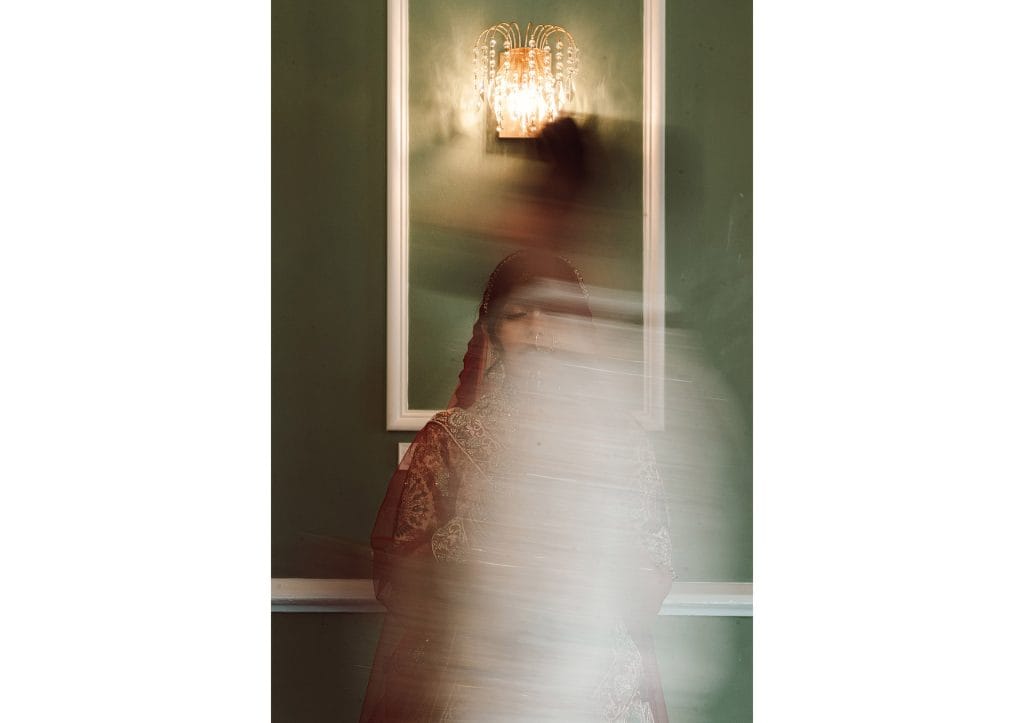
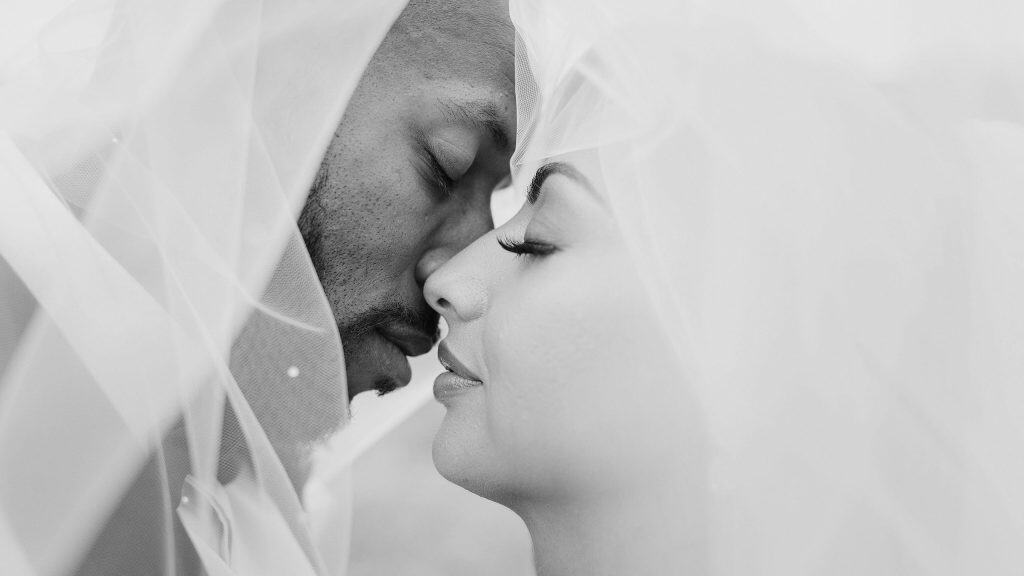
offley place hindu wedding photography


What defines editorial wedding photography?

At its core, editorial wedding photography is about creating images with intention. Instead of simply reacting to moments, the photographer gently directs or refines what’s happening to achieve a certain look or feeling. This might involve guiding a couple into better light, adjusting posture or positioning, or allowing space to repeat or slow down a moment so it can be captured more deliberately.

The result is imagery that feels clean, composed, and often fashion-inspired. You’ll typically see strong framing, careful use of negative space, attention to wardrobe and styling, and an overall sense of polish that gives the photos a magazine-like quality.
Importantly, good editorial photography doesn’t have to feel stiff or overly staged. When done well, it still feels natural — just more considered.

Why is editorial wedding photography so popular right now?

The rise in editorial wedding photography is closely tied to how we now consume images. Platforms like Instagram have shifted expectations, with couples constantly exposed to curated, high-end visuals that prioritise aesthetics and design. Over time, this has influenced what people want their own weddings — and wedding photos — to look like.
At the same time, weddings themselves have become more design-led. Couples are putting more thought into styling, from fashion choices to florals and venues, and editorial photography naturally complements that. It allows those details to be captured in a way that feels elevated and intentional, rather than incidental.

There’s also a cultural shift in how comfortable people are in front of the camera. With social media, content creation, and personal branding becoming part of everyday life, being directed or photographed no longer feels unusual. In many cases, couples expect a level of guidance because they want to look their best.

Finally, editorial photography produces images that are instantly impactful. They’re the kind of photographs that stop you mid-scroll — clean, striking, and visually confident. In a world where attention is short, that matters.

Is editorial wedding photography posed?

Editorial wedding photography does involve an element of posing or direction, but that doesn’t mean it has to feel unnatural. The level of guidance can vary depending on the photographer, but generally there is more involvement compared to documentary approaches.
Rather than leaving everything to chance, the photographer may adjust positioning, suggest movements, or create space for moments to unfold in a more controlled way. The key difference is that these moments are often shaped rather than purely observed.

When done well, the direction is subtle enough that the images still feel authentic, even though they are more carefully constructed.

Does editorial photography mean fewer real moments?

This depends largely on how the photographer works. A heavily editorial approach can mean more time is spent creating images, which may reduce the focus on spontaneous, unscripted moments. However, many modern photographers take a hybrid approach, blending editorial techniques with documentary storytelling. This balance allows for both — visually striking images and genuine, emotional moments. It also ensures that the photography enhances the day rather than taking it over.

Documentary vs editorial wedding photography

The difference between documentary and editorial wedding photography ultimately comes down to how moments are captured. Documentary photography is about observing and capturing events as they naturally unfold, with minimal interference. Editorial photography, on the other hand, involves a degree of direction and creation, shaping moments to achieve a particular aesthetic.

Neither approach is inherently better, but they create very different experiences. Documentary photography allows the day to flow uninterrupted, while editorial photography introduces more structure and guidance.

5
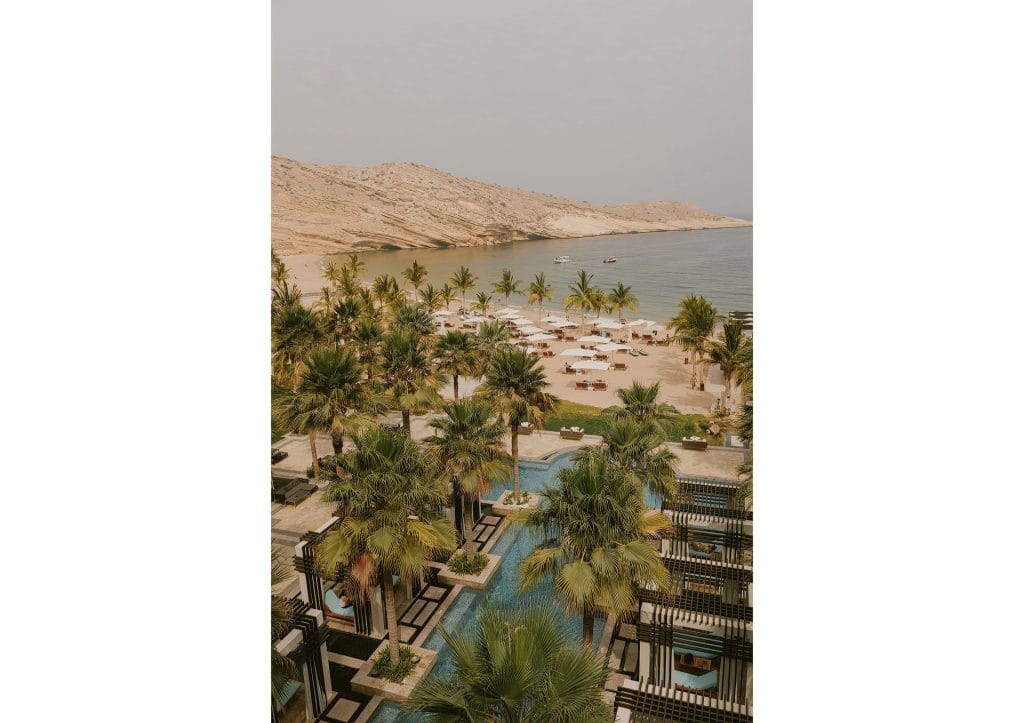
jumeirah muscat bay wedding photography
woodhall estate wedding photography

My approach to editorial wedding photography

Personally, I understand why editorial photography has become so popular. It creates beautiful images, and when done well, it can elevate a wedding in a really powerful way.

But for me, the most meaningful photographs are the ones that genuinely reflect what happened. That’s why my approach leans strongly towards documentary storytelling, with editorial elements used where they naturally fit.
I’ll guide when the light is right, or when a moment could be strengthened with a small adjustment. But I won’t interrupt the flow of the day or manufacture something that doesn’t belong.

If you’re drawn to something more natural and less directed, you might prefer documentary wedding photography.

The priority is always the experience first – and the photographs come from that.

Editorial wedding photography is a guided, fashion-inspired approach that focuses on creating polished, visually striking images through direction, styling, and intentional composition.